
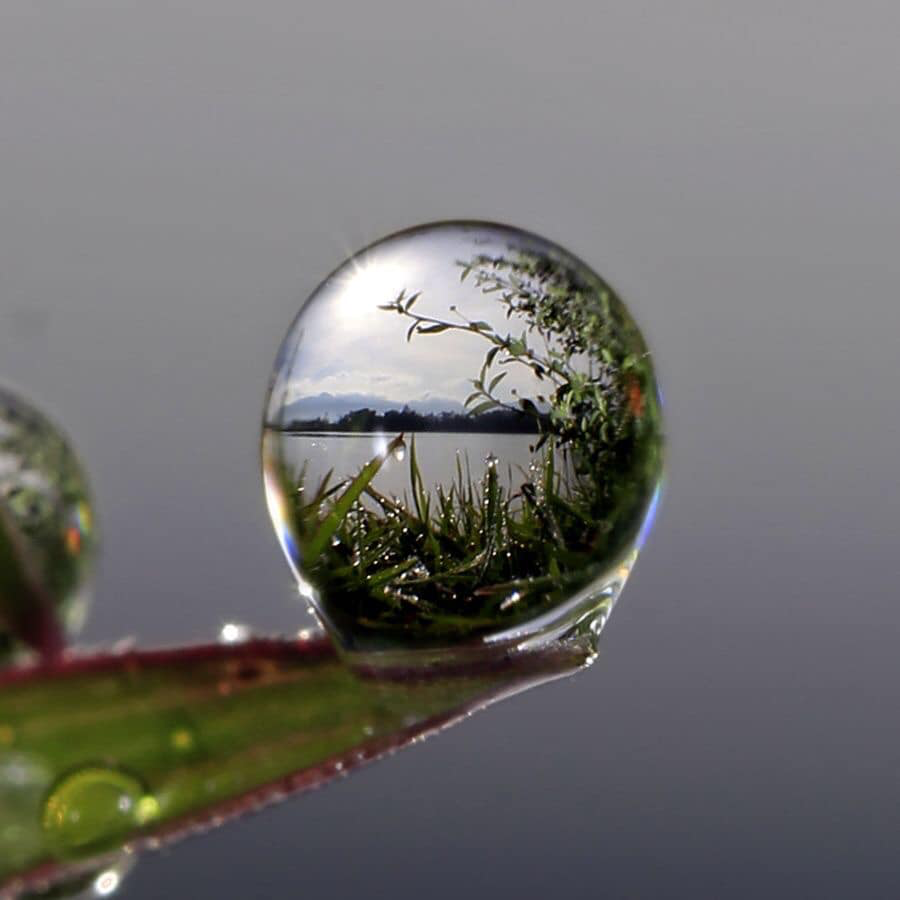
In the beginning, God called us to be gardeners; to plant, water, and safeguard all things that are good, as well as to prune, weed, and remove that which deprives God’s garden of goodness and life. That sacred story of beginning we read in Genesis reminds us of all the paradox and juxtaposition there is in creation. Light and darkness, order and chaos, good and evil. Early on, it became clear that engaging in this important work of creation and re-creation requires an understanding of these counter balances. A knowledge that propels us out of the garden, into the wilderness, and, miraculously, back again – a curious resurrection.
Spending time in the wilderness has a strange way of expanding and honing our focus. In a weary desert place, we might denounce the God of life and create idols of things that destroy life. We might denounce the worth of one part of God’s creation, or sabotage opportunities for the restoration and rejuvenation of another. We might even lose our memory of God’s goodness. This kind of dementia exploits our capacity for doubt, fear and destruction.
What then can restore our memory and innate aptitude for wonder when we are face to face with death and destruction?
In Letter to A Young Activist During Troubled Times, Dr. Clarissa Pinkola Estés writes, “We all have a heritage and history of being gutted, and yet remember this especially … we have also, of necessity, perfected the knack of resurrection.” Perfecting the knack of resurrection can be unbearably complicated and painful but also empowering, innovative and enlivening.
Resurrection means that new life can come out of death in unbelievable ways. In Chernobyl where the largest nuclear accident in the world took place and where radiation levels are still so high that humans cannot live there, scientists discovered fungi that can convert radiation to energy, just as trees absorb carbon dioxide and produce oxygen. What are ways we might, like the florae, convert that which destroys to that which creates? The continued daily crucifixion of our world is profound, but creation’s propensity and desire to renew itself is beyond comprehension, begging us to join in the process, and to examine our own painful places and look for how God’s love is at work there.
Leaping from death to resurrection is a confusing and complicated jump. It requires a leap of faith from a devastating reality to one of restored balance and beauty, and it demands that we partner with each level and layer of creation, honouring the interconnected nature of all the earth’s inhabitants – flying, creeping, crawling, greening, growing. What does it mean for us to say that resurrection is possible? Walter Brueggemann writes that we cannot and do not need to get our heads around that conundrum, but we do have to open ourselves to new ways of being in the world.
Most of us begin the journey back to the garden from a place mired in grief and shock. Entertaining the possibility of an unknown resurrection seems outlandish. Baptism (and our daily encounters with water) bear witness to this life, death and resurrection cycle as we, made up of mostly water, pull on galoshes and slosh our way through the valley of the shadow looking for the lychgate that might lead us home.
Having walked the agonizing journey from Gethsemane to Golgotha to the tomb, we arrive back in a garden. Amazed and world weary, we are back at the beginning, surrounded by trees and plants. Together, we stand with a great cloud of witnesses, each of us bearing heavy, hard-won knowledge of good and evil.
Mary is there with us, her tears expressing bewildered sorrow and hints of hope. In that space and time, she hears Jesus calling her name, and bears witness to a new juxtaposition. In the garden there is rest, but also work to be done: raking, pruning, planting, tending and sharing the good news.
If mushrooms can evolve to a place where their existence transforms radiation from a death force to a force of life, how might we use our gifts to reflect resurrection and renew the face of the earth?
By Rev. Dawna Wall